
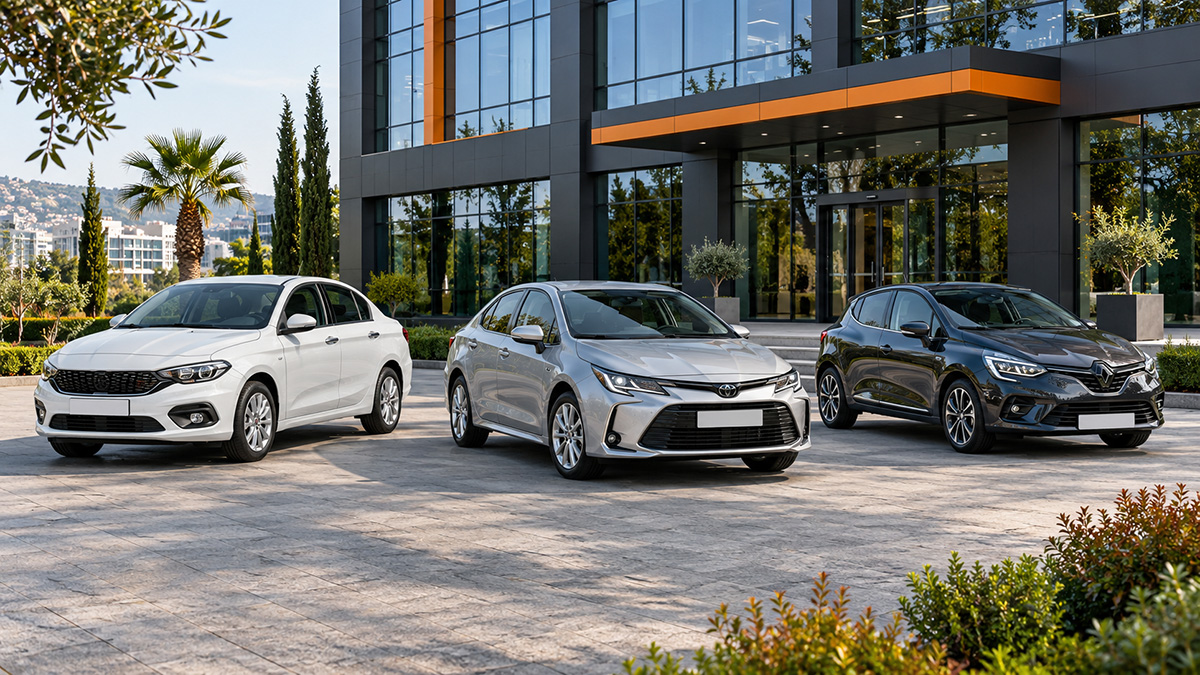
Car leasing allows companies to meet their transport needs for an agreed period under a contract, offering an alternative to purchasing vehicles. Customer visits, fieldwork, travel between branches and management transport can all be supported by a leasing plan tailored to the way a business operates.
The benefits of corporate car leasing depend on the number of vehicles, usage patterns, lease duration and services included. With appropriate planning, leasing can help preserve capital, make expenditure more predictable and reduce the workload associated with managing company vehicles.
1. Reduces the Initial Investment Required to Purchase Vehicles
Purchasing one or more company vehicles can require a substantial allocation of business funds. This can be particularly significant for newly established companies, growing businesses and organisations looking to expand their fleets.
Company car leasing provides access to vehicles without paying their purchase price upfront. Businesses can therefore consider allocating those funds to recruitment, equipment, marketing or other operational investments.
When assessing a leasing proposal, review any upfront payments, security deposits and payment terms to establish the total initial funding required.
2. Makes Transport Budgets Easier to Plan
Being able to anticipate expenditure is valuable for business cash flow management. As vehicle numbers and usage increase, tracking maintenance, insurance and other vehicle expenses can become more time-consuming.
Agreeing on a payment schedule and service package at the start of a corporate car lease can help businesses plan their transport budgets. For an accurate forecast, however, expenses outside the monthly lease payment should also be included.
Fuel, parking, tolls, excess mileage and other usage-related charges should be considered when reviewing a quotation.
3. Can Simplify Maintenance and Servicing
Monitoring scheduled maintenance, arranging service appointments and keeping records are ongoing responsibilities. For businesses operating several vehicles, these tasks can create a considerable administrative workload.
Where maintenance is included in the lease agreement, clearly defined responsibilities and procedures can help make the process more organised. When comparing proposals, review maintenance coverage, service arrangements and the method for submitting requests.
Dinamik Filo customers can report their vehicle maintenance needs through the Maintenance Request page. Providing timely notice helps businesses plan work schedules around servicing requirements.
4. Reduces the Need to Manage Used Vehicle Sales
When a purchased company vehicle reaches the end of its planned use, the business must also manage its sale. Establishing a price, preparing advertisements, communicating with potential buyers and completing the transfer can take time.
With car leasing, the vehicle is returned at the end of the agreed period according to the contract’s return conditions. This reduces the need for the business to organise a used vehicle sale.
To prepare for a straightforward return, review mileage allowances, vehicle condition requirements and damage assessment procedures at the beginning of the agreement.
5. Helps Match Vehicles to Different Business Roles
Employees do not necessarily need the same type of vehicle. A compact car may be considered for someone making customer visits around the city, while an employee who regularly travels long distances may have different comfort and luggage requirements.
Fleet leasing allows businesses to plan vehicle selection around the needs of each role. Relevant considerations include:
Daily routes and journey times
Estimated annual mileage
Passenger numbers and luggage requirements
Engine and transmission preferences
Equipment requirements
Budget per vehicle
Choosing vehicles that suit their intended use can help employees carry out daily tasks more comfortably and support more efficient use of the vehicle budget.
6. Allows Vehicle Requirements to Be Planned Around Projects and Growth
Opening a new branch, managing seasonal demand or taking on a fixed-term project can change a company’s vehicle requirements. In these situations, it is useful to assess how long the need will last before purchasing additional vehicles.
Matching the lease duration to the business schedule helps companies plan temporary and ongoing requirements separately. However, increasing or reducing vehicle numbers and ending an agreement early are subject to the leasing terms. Any flexibility requirements should be discussed when requesting a quotation.
7. Can Reduce Time Spent on Vehicle Administration
Tracking maintenance, insurance renewals, servicing and vehicle usage can involve several employees within a company. Depending on the service package, some of these processes may be managed in coordination with the leasing provider.
Clearly assigned responsibilities help employees understand whom to contact and how to raise a request. Consistent communication and organised request handling can make vehicle-related processes easier for the business to monitor.
What Should Businesses Check Before Leasing Company Cars?
When assessing the benefits of car leasing for your business, look beyond the monthly payment. Compare quotations based on similar lease durations, mileage allowances and service packages.
Before signing an agreement, review maintenance and tyre services, insurance coverage, replacement vehicle conditions, excess mileage charges and early return provisions. Clear information about the vehicle’s model year, equipment and delivery terms will also help you make an informed decision.
Plan Your Company’s Vehicle Requirements with Dinamik Filo
Car leasing is an option businesses can consider when planning capital allocation, transport budgets and vehicle management. The appropriate arrangement depends on how the vehicles will be used, how long they will be needed and the expected mileage.
Contact Dinamik Filo with your required vehicle numbers, preferred models and usage plans to request a corporate car leasing quotation tailored to your business.